 All Logs
Ship Creek in Anchorage
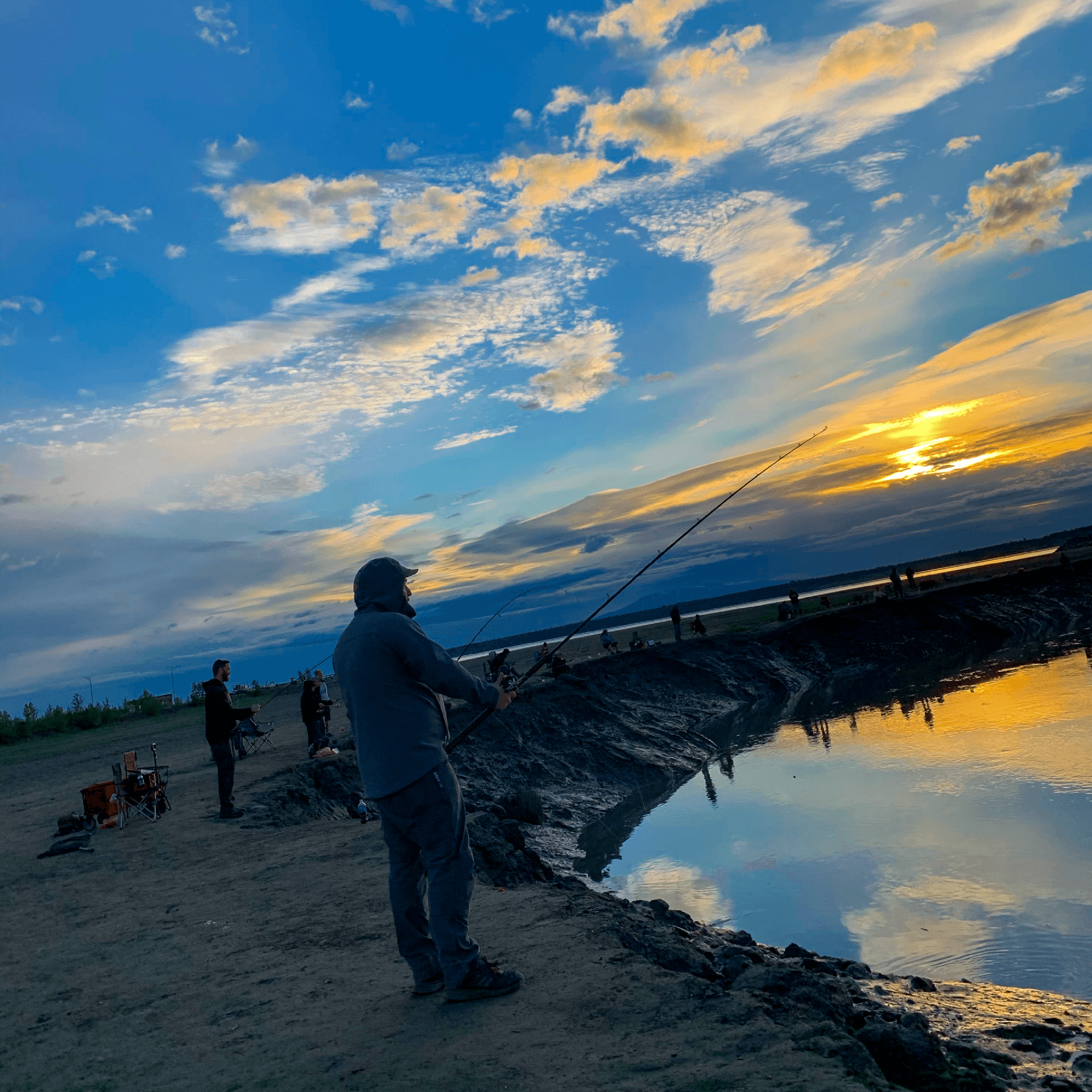
Most fishing trips in Alaska require a bush plane, a sturdy set of kidneys to survive the boat ride, and a bank account that can handle the fuel surcharge. But Ship Creek is different. It’s the urban anomaly of Anchorage, a muddy, tidal vein of saltwater that cuts right through the industrial heart of downtown. On any given Tuesday, I can be seen wrenching on a vehicle at my shop, and forty-five minutes later, I’m standing with my boots covered in glacial silt with a heavy action rod in my hand, bracing for a chrome-bright king salmon to turn my lunch break into a localized riot.
The beauty of Ship Creek is its accessibility; it is the ultimate "low-stakes, high-reward" getaway. I keep a dedicated "emergency" kit in the bed of my truck at all times. Boots that smell faintly of last year’s success, a tackle box that’s seen better days, and a cooler that’s perpetually optimistic. It’s the kind of place where you can make a split-second executive decision to skip the taco stand down the street and instead test your luck against a incoming tide. There’s something inherently hilarious about standing in a muddy creek bed while the Alaska Railroad train screams past behind you and the smell of french fries from a nearby restaurant wafts over the water.
Whenever I’m short on supplies or just need a pulse check on where the fish are stacking up, I swing by The Bait Shack. Sitting right there at the edge of the action, those guys are the keepers of the creek’s secrets. They have everything from the specific cured eggs that the fish are craving that morning to the heavy-duty gear rentals for the tourists who wandered down in loafers and realized they were wildly underdressed for the occasion. They make the whole process seamless, providing that "local shop" vibe in the middle of a bustling city center, ensuring that even a frantic thirty-minute window of fishing is actually productive.
The creek itself is a fickle beast, dictated entirely by the massive tides of Cook Inlet. When the water starts pushing in, it brings the salmon with it. Fresh, silver streaks of muscle that are sometimes still carrying sea lice from the salt. Often, seals follow the schools up. Even the occasional beluga whale has made it’s way up to the Bait Shack. You stand there on the muddy banks, shoulder-to-shoulder with lawyers in expensive waders and construction workers on their break, all of us unified by the same frantic hope. It’s "combat fishing" in the shadow of office buildings, a chaotic theater where the person next to you might be your next client or the guy who just sold you a tire, both of you currently tangled in the same patch of seagrass.
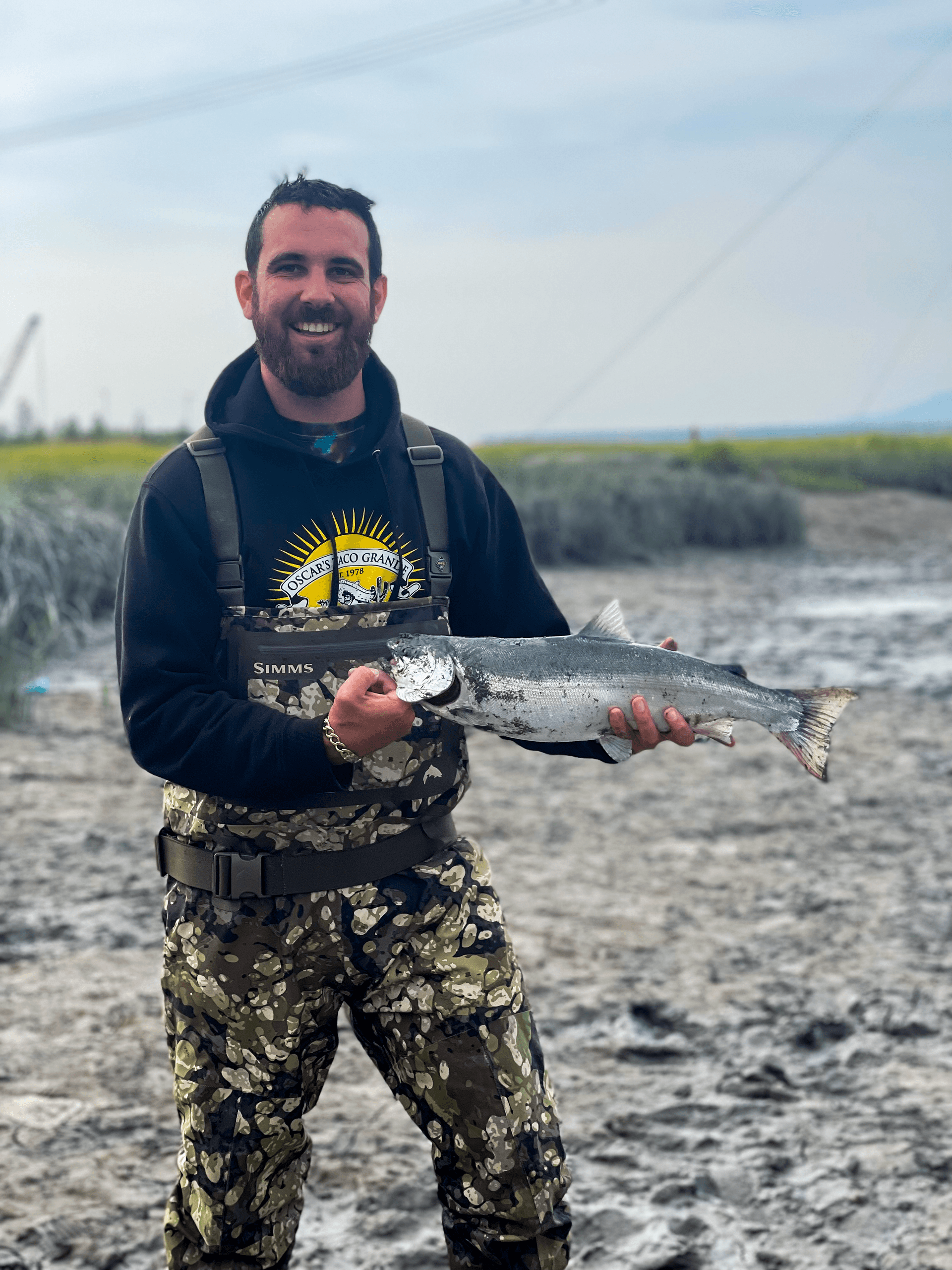
There is a specific adrenaline rush that comes from hooking into a twenty-pound fish when you're least expecting it. It's ALWAYS when you put your rod down to take a bit of your stale ham and cheese sandwich in your lunchbox. The rod doubles over, the drag starts that high-pitched scream, and suddenly the emails waiting in your inbox feel like they belong to a different lifetime. You have to play the fish carefully, navigating the swirling, silty water and the bridge pilings, all while keeping an eye on your watch. It’s a delicate balancing act of predatory instinct and professional responsibility, and I’ve definitely had more than one "technical difficulty" during a conference call that was actually just me trying to land a coho without falling face-first into the mud.
The humor of the Ship Creek experience really hits when the fish is finally on the bank. There you are, wrestling a thrashing salmon into a cooler in the back of your truck, frantically trying to scrub the silt off your hands before heading back to the office. I’ve walked back into the building more than once with a faint scent of brine clinging to my sleeves and a grin that I can’t quite hide, knowing that my dinner is currently on ice in the parking lot. It’s the ultimate Alaskan flex: having a silver or king salmon in the truck before the afternoon coffee run.
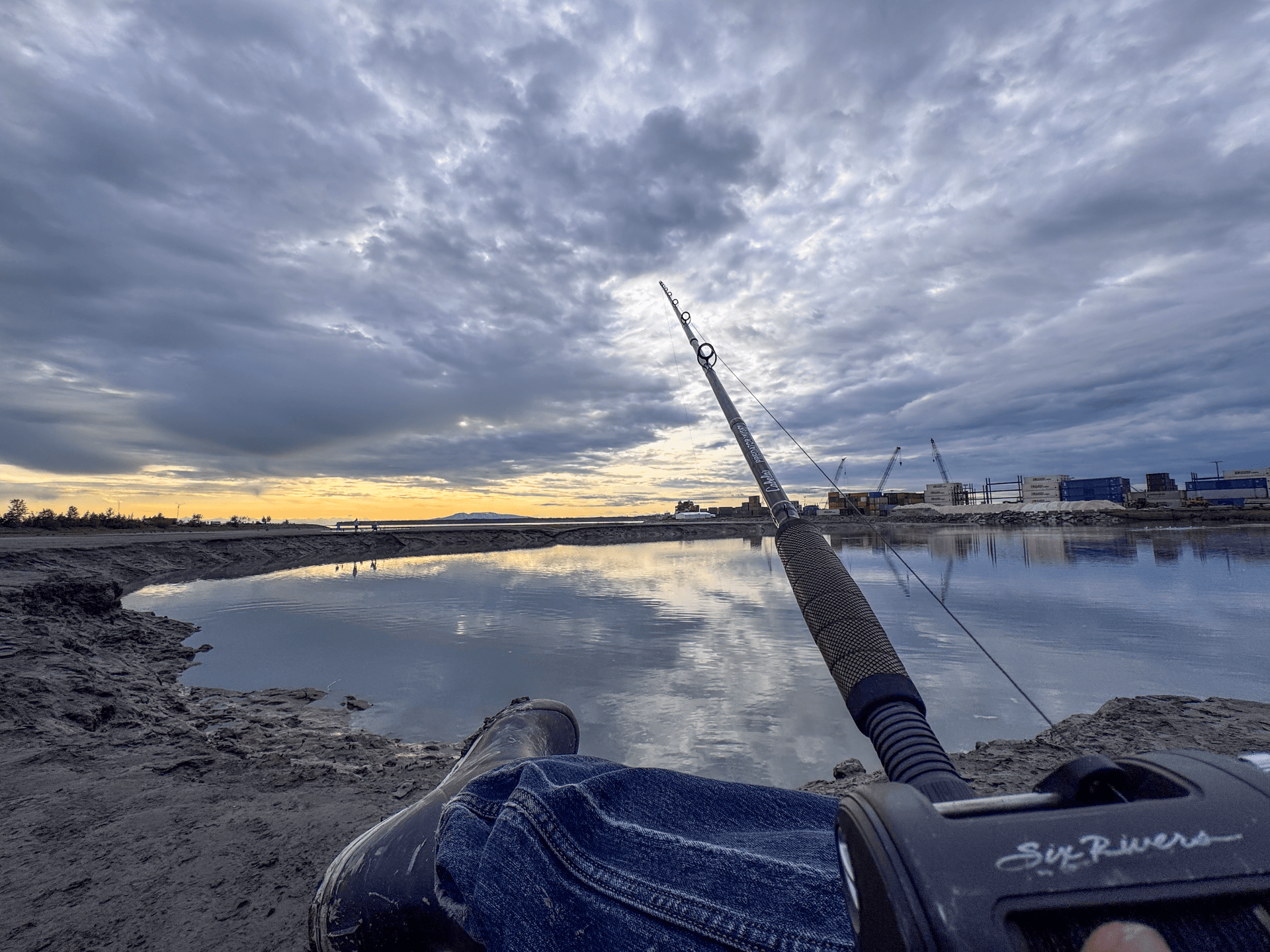
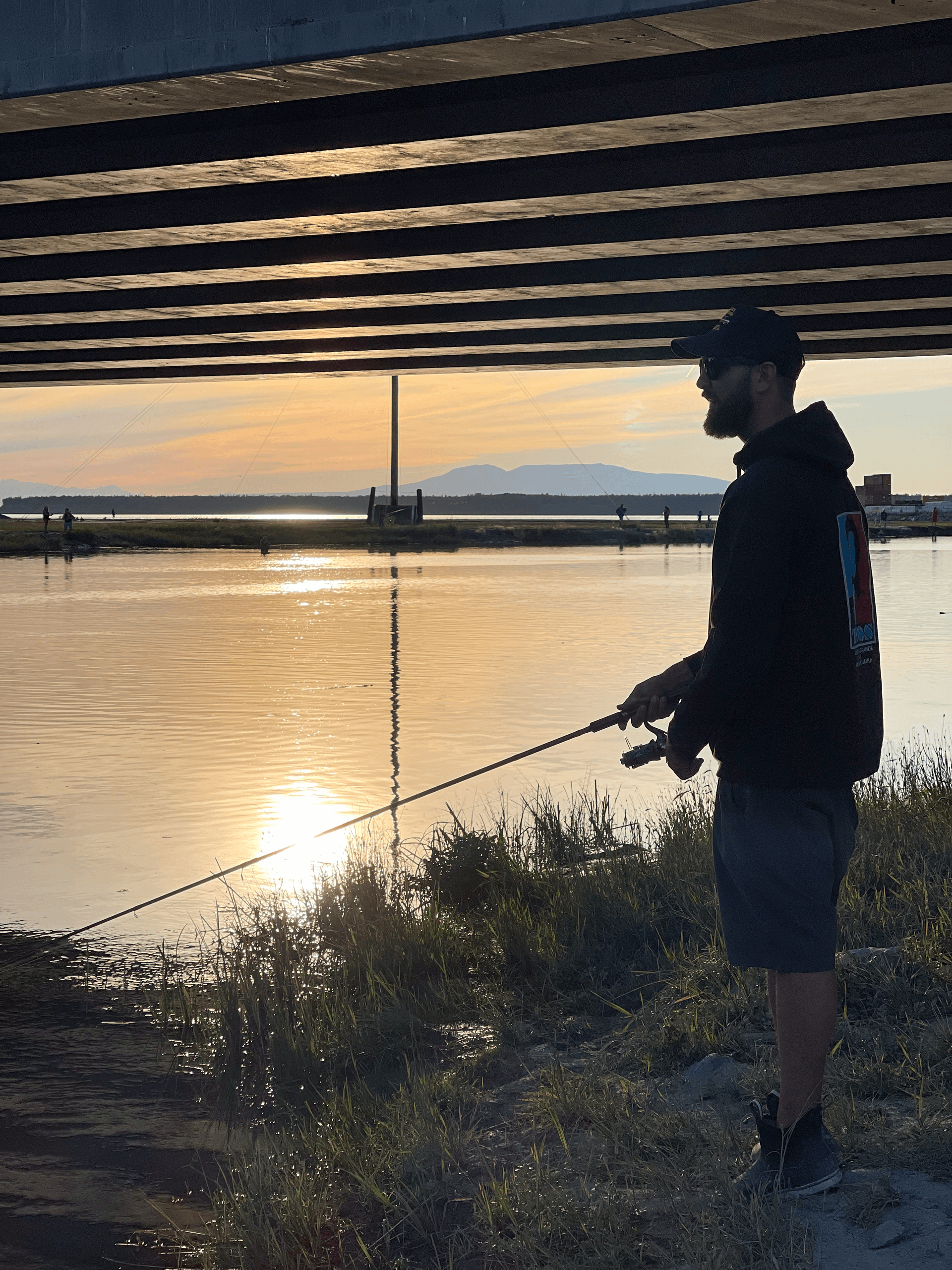
The landscape here isn't the pristine wilderness of the Kenai River; it’s an industrial grit that has its own rugged charm. You’ve got the Port of Anchorage cranes looming in the distance and the sound of traffic humming over the C Street bridge, but when you look down into that murky water and see a wake pushing toward your lure, the city disappears and the gulls dive bombing for your bag of Cheetos disappear out of your peripheral. It’s a reminder that even in the middle of Alaska’s largest city, the wild is only a few hundred yards away, waiting for a high tide and someone with a lunch hour to burn.
As the tide peaks and begins to slack, the bite usually dies down, signaling the end of my temporary escape. I’ll pack the rod back into the truck, swap the waders for work boots, and join the line of cars heading back toward the high-rises. There is a deep satisfaction in knowing that while most people spent their hour staring at a wall, I was locked in a tug-of-war with a creature that just swam halfway across the ocean. It keeps the soul steady when the work week gets long.
By the time I’m back at my desk, my boots might be a little damp and my back might ache from the casting, but the mental fog is completely gone. Ship Creek is the pressure valve of Anchorage, a place where the grind of the city meets the grit of the river. It’s fast, it’s dirty, and it’s occasionally crowded, especially when the fishing is good, but it’s ours. And as long as The Bait Shack has eggs and the tide keeps coming in, I’ll keep that cooler in the truck ready for the next time the sun hits the water just right.
It’s the only place in the world where you can catch your dinner and still make it back in time for the 2:00 PM briefing. That’s the magic of the mudhole. it’s a little slice of the Alaskan dream tucked between a railroad track and a parking garage. It doesn't ask for a week of your life or a thousand dollars in gear; it just asks for an hour of your time and a willingness to get a little mud on your sleeves.